

Dr Sneha Bhagwat
Goa’s status as a global tourism hotspot is beyond debate. But what happens when ‘wellness’ is layered onto a destination already synonymous with leisure and escape? The state’s newly launched AYUSH-led Wellness Policy does precisely that – adding a compelling new dimension to the Goan experience. For Goans, it promises easier access to preventive healthcare and a stronger public health framework. In this piece, Dr Sneha Bhagwat unpacks the vision behind the policy and explores what it could mean for the state, its people, and the millions who return to its shores each year. With the implementation blueprint expected shortly, the real story may just be beginning. Read on…
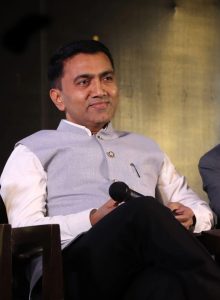
The Government of Goa has initiated steps to position the state as a structured hub for holistic health and wellness through the proposed Goa Ayush Wellness Policy. Announced by Goa’s Chief Minister, Pramod Sawant, who himself is an Ayurveda Doctor, the policy reflects a broader attempt to align traditional systems of medicine with tourism and public health priorities.
The initiative comes at a time when global interest in preventive healthcare and integrative medicine is rising. Within this context, Ayush – comprising Ayurveda, Yoga, Naturopathy, Unani, Siddha, and Homoeopathy – is being positioned as a complementary pillar alongside conventional healthcare systems.
Integrating Wellness with Tourism
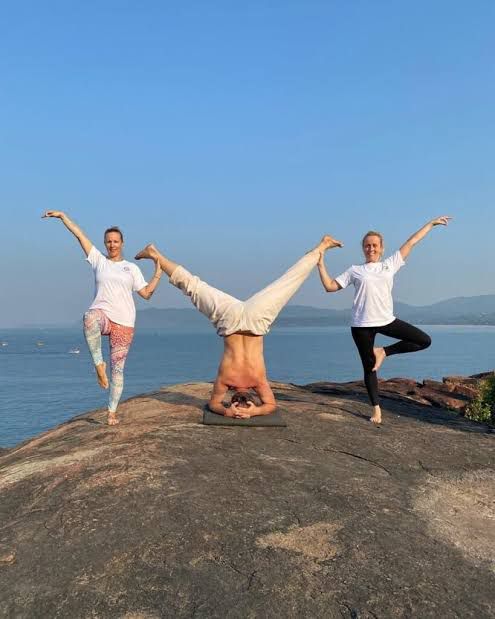
A central focus of the proposed policy is the integration of Ayush services into Goa’s established tourism ecosystem. The state, already a major international leisure destination, is seeking to expand its appeal by developing wellness tourism offerings that include yoga retreats, naturopathy centres, and Ayurveda-based therapies.
This approach reflects a wider trend in global travel, where wellness-oriented experiences – ranging from stress management to lifestyle modification – are gaining traction. Goa’s natural landscape and an established hospitality infrastructure provide a favourable base.
Institutional and Regulatory Framework
The policy proposes closer coordination between the Department of Ayush, tourism authorities, healthcare institutions, and private sector stakeholders. One of its stated goals is to create an enabling ecosystem for the establishment and expansion of Ayush wellness centres across the state.
Standardisation is expected to be a key component. The government has indicated plans to introduce quality benchmarks for wellness centres, including practitioner qualifications, treatment protocols, and infrastructure norms. Such measures could play a role in addressing longstanding concerns around variability in service quality within the wellness sector.
Preventive Healthcare and Public Health Linkages
Beyond tourism, the policy places emphasis on preventive healthcare, an area where Ayush systems traditionally focus on diet, lifestyle, and mind–body balance. With non-communicable diseases such as diabetes, hypertension, and stress-related disorders on the rise, the integration of preventive approaches is being positioned as a complementary strategy to reduce long-term disease burden.
Public outreach, awareness campaigns, and community-level wellness programmes are expected to form part of the implementation framework, although details on scale and funding remain to be fully articulated.
Policy Context and Recent Developments
The announcement of the Goa Ayush Wellness Policy was made during the India International Ayurveda and Wellness Expo and Summit 2025, signalling the state’s intent to align with national efforts to promote traditional medicine. The policy has also received mention in the state budget, suggesting an initial level of financial backing.
In a related development, plans to expand the Goa Ayush campus with a focus on cancer research point to an emerging interest in exploring the role of traditional systems in integrative oncology, an area that remains under active scientific evaluation.
Conclusion
Goa’s Ayush Wellness Policy does have the intent and vision to add an invaluable dimension to the state’s positioning not only as an international tourist destination but also as a wellness destination, thus contributing to a more preventive, lifestyle-oriented approach to health.
The author, Dr Sneha Bhagwat, is President, Goa Council of Ayurvedic and Other Allied Indian Systems of Medicine. She can be reached at .