

Swachhata Se Sampannata encourages reuse, recycling and creative transformation of discarded materials and promotes sustainable waste management.
The Ministry of Ayush’s Special Campaign 6.0 has brought to the fore the importance of creative reuse, recycling and sustainable methods for converting waste into useful resources. Under the theme Swachhata Se Sampannata, the drive focuses on the productive use of discarded materials and promotes responsible approaches to waste management.
In its message, the ministry underscores the role of waste-to-art projects and resource-conscious practices in nurturing creativity and making a call for embracing sustainability.
Swachhata Se Sampannata: Turning Waste to Resources
The Swachhata Se Sampannata concept demonstrates that waste materials can be transformed into useful products and all discarded materials need not be treated as unwanted refuse.
Reusing and recycling can extend the lifespan of materials, and creative ways of dealing with disposed items can help promote resource efficiency and environmental awareness.
The Ministry of Ayush, through its communication on Special Campaign 6.0, has underlined the role of such initiatives in promoting responsible waste management and environmentally friendly practices.
Trash-to-Art Projects Foster Creativity
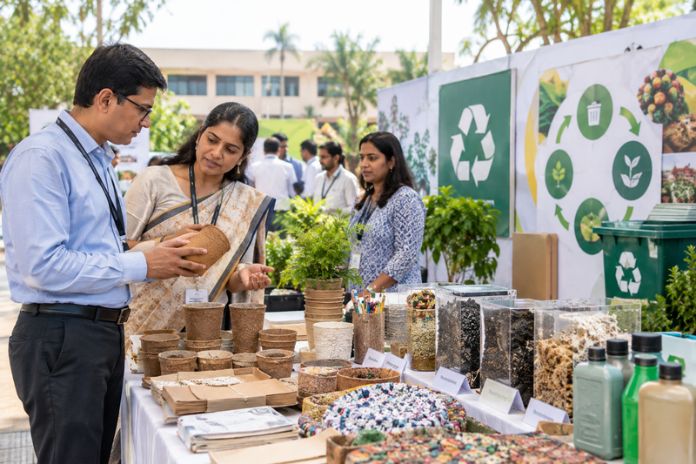
Waste-to-art projects demonstrate how waste can be recycled into creative and useful products. Such activities can encourage individuals and organisations to re-examine how they use and dispose of materials.
Waste-to-art initiatives can also help raise awareness of the importance of reducing unnecessary waste and making better use of available resources through creativity and resource-conscious practices.
The Ministry’s message connects these initiatives to an opportunity to connect cleanliness with creativity and sustainability.
Special Campaign 6.0 Encourages Safe Waste Disposal
As the Ministry’s communication stated, Special Campaign 6.0 promotes a more productive approach to waste through reuse, recycling and creative transformation.
The broader message is one of responsible resource use and the need to integrate sustainable methods into our everyday lives and institutional environments.
Such approaches emphasise that waste management should be seen not only as a matter of cleanliness but also as a means to encourage resource conservation and environmental responsibility.
Relevance to Ayurvedic and AYUSH Institutions
The message on sustainability is applicable to organisations in the healthcare and education sectors, including Ayurveda and AYUSH institutions, which may consider appropriate practices for waste reduction and resource management in their facilities.
Consideration could be given to the responsible use of materials, segregation of recyclable waste, reuse of suitable materials and awareness activities that promote environmentally conscious behaviour.
However, healthcare facilities have to separate normal recyclable waste from biomedical, pharmaceutical and other hazardous waste. This waste must be handled and disposed of properly according to the applicable regulations and should not be reused in general waste-to-art activities.
These are potential uses of the sustainability theme and not activities that have been confirmed by the Ministry’s social media post.
Creating a Culture of Sustainability
The message from the Ministry of Ayush emphasises the value of combining cleanliness, creativity and responsible use of resources. Waste-to-wealth initiatives can help raise awareness of environmentally friendly practices by promoting the reuse, recycling and productive transformation of discarded materials.
The theme Swachhata Se Sampannata highlights the fact that conscientious waste management can go hand in hand with cleanliness and resource conservation.