


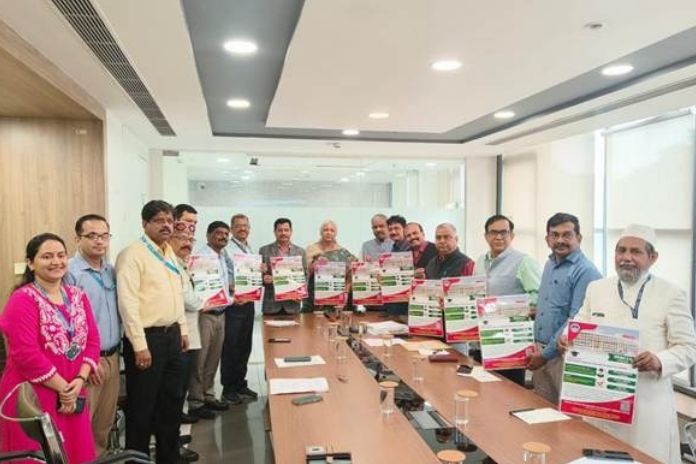
The Chairperson of the National Commission for Indian System of Medicine (NCISM), Prof. Maneesha Kothekar has launched two initiatives of the Central Council for Research in Ayurvedic Sciences (CCRAS) aimed at strengthening research and innovation in Ayurveda viz. CCRAS SPARK 5.0 and CCRAS Ayurshodh 2026.
Announced by the Press Information Bureau (PIB) on 14 October 2026, the launch aims to introduce undergraduate Ayurveda students to research, recognise scholarly achievement and encourage innovative approaches to advancing the discipline.
The initiatives are focused on developing new research talent, improving research communication, promoting high quality scholarly publications and fostering innovation in Ayurveda.
CCRAS SPARK 5.0: 300 fellowships for BAMS students
Studentship Program for Ayurveda Research Ken (SPARK) 5.0 is the fifth edition of the CCRAS program for the academic year 2026-27. It aims at exposing undergraduate Ayurveda students to research methodology and techniques through short-term independent research projects.
The program aims to develop research aptitude and analytical thinking in BAMS students and to motivate them to consider research as a career option.
300 studentships will be awarded and the studentship amount will be ₹50,000.
Applications are invited from students of BAMS in 3rd, 4th or professional year from colleges or universities recognised by NCISM or Government of India.
SPARK 5.0 Registration starts from 15 October 2026 and the Last Date for Submission of Applications is 15 November 2026.
Students interested in applying are encouraged to visit the official portal of the program for the application process, detailed eligibility conditions and further instructions.
Official Website: https://spark.ccras.org.in/
CCRAS Ayurshodh 2026: National Acknowledgement of Research in Ayurveda
SPARK 5.0 was organised along with CCRAS Ayurshodh 2026 to acknowledge research contributions and promote scholarly excellence, effective communication and innovation in Ayurveda.
The program is divided into three categories:
- 3 Minute Talk on CCRAS-PrabodhThis category is all about communicating your research through three-minute thesis presentations. It encourages researchers to communicate clearly and effectively their work with a short presentation.
- CCRAS-PrakashThis category recognises the scholarly achievement of publications based on original research and the importance of research output and academic contribution.
- CCRAS-NavonmeshaThis category is for celebrating innovation, from prototypes to new solutions, process innovations and transformative research methodologies.
More details about the awards are available in the second circular of CCRAS Ayurshodh 2026. The prize money is sponsored by Shree Dhootapapeshwar.
The finals of CCRAS Ayurshodh 2026 will be held on 11 December 2026.
Researchers and other interested participants are requested to visit the official Ayurshodh portal and the second circular for complete award categories, eligibility requirements, submission procedure and prize details.
Official Portal: https://ayurshodh.ccras.org.in/
Senior officials attended launch
The launch was attended by Prof. (Vaidya) Rabinarayan Acharya, Director General, CCRAS; Dr. Ranjit Puranik, Managing Director and Chief Executive Officer, Shree Dhootapapeshwar Limited; presidents of various NCISM boards and heads of CCRAS institutes from various parts of the country.
The presence of their representatives provided a platform for Ayurveda research institutions, regulatory bodies and industry to come together in support of initiatives aimed at promoting research and innovation.
Bolstering the Ayurveda Research Infrastructure
CCRAS SPARK 5.0 and CCRAS Ayurshodh 2026 are complementary to each other in research development. SPARK aims to give an early exposure to undergraduate students to research and Ayurshodh provides recognition for research communication and original publications and innovation. All the initiatives are aimed at creating a better research culture in Ayurveda, supporting young talent, and rewarding the contribution at different stages of research.