


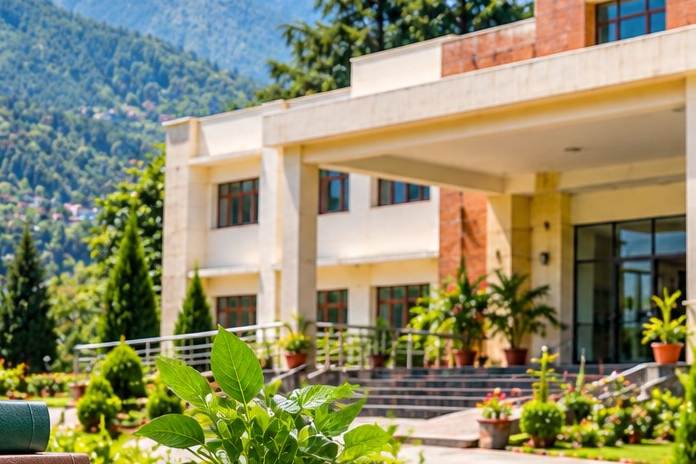
The Regional Ayurveda Research Institute (RARI), Mandi, a unit of the Central Council for Research in Ayurvedic Sciences (CCRAS), announced a two-day national seminar titled “Medicinal Plant Resources of the Western Himalaya: Tradition, Science and Conservation.” The event was scheduled for 5–6 October 2026 in Mandi, Himachal Pradesh.
The seminar aimed to bring together researchers, scientists, academicians and students to discuss medicinal plant diversity, traditional knowledge, scientific research and conservation in the Western Himalayan region.
According to the official brochure, the programme was designed as an interdisciplinary forum connecting traditional knowledge with modern scientific research. Planned activities included expert lectures, oral and poster presentations, and scientific discussions on the conservation and sustainable use of Himalayan medicinal plant resources.
The advertised dates have passed. An official post-event update is needed to confirm whether the seminar took place as scheduled and to establish its outcomes.
Exploring Medicinal Plant Diversity in the Western Himalaya
The Western Himalaya is an important region for medicinal plant diversity and traditional plant-use practices. Research in this area includes botanical identification, documentation of traditional knowledge, evaluation of plant quality and the development of sustainable cultivation and harvesting methods.
The seminar theme focused on the relationship between traditional knowledge, scientific investigation and biodiversity conservation. The organisers also identified scientific validation and sustainable utilisation as subjects for discussion.
The programme was intended to encourage interdisciplinary interaction among specialists in Ayurveda, botany, taxonomy, ethnobotany, pharmacognosy and related research fields.
Five Key Thematic Areas
The official brochure identified five major thematic areas for the seminar.
1. Plant Diversity, Taxonomy and Documentation
This theme covered the identification and documentation of Himalayan medicinal plants, molecular taxonomy, DNA barcoding, and high-altitude, endemic and threatened plant species.
2. Ethnobotany, Local Health Traditions and Traditional Knowledge
Topics included ethnomedicinal practices, wild edible plants, traditional foods, nutraceuticals, ethnoveterinary knowledge, and documentation of plants used in cultural and religious practices.
3. Sustainable Use, Cultivation and Livelihood Development
This area addressed the conservation of rare and threatened medicinal plants, sustainable harvesting, cultivation techniques, nursery development, tissue culture, post-harvest management and value addition.
4. Authentication, Quality Assurance and Standardisation of Herbal Drugs
The proposed discussions covered the identification of medicinal plant materials, adulteration and substitution, traceability, analytical methods, quality assessment and regulatory guidelines.
5. Dravyaguna, Ayurvedic Perspectives and Modern Research
This theme included classical Ayurvedic nomenclature, botanical identification, seasonal and geographical variation in plant quality, research into traditional claims, and potential connections between Dravyaguna, genomics and personalised medicine.
Together, these themes reflected the seminar’s stated objective of encouraging dialogue between traditional knowledge systems and modern scientific approaches. However, discussing scientific validation does not, by itself, establish the clinical efficacy of any particular medicinal plant or formulation.
Call for Research Papers and Presentations
The brochure invited original abstracts from researchers, academicians, scientists, scholars and students working in the seminar’s thematic areas.
Selected abstracts were to be considered for oral or poster presentations. Authors of selected contributions could subsequently be invited to submit full papers.
The brochure specified a poster size of 3 × 6 feet. The call for contributions was intended to provide a platform for presenting research on medicinal plant resources, traditional knowledge, conservation, quality assessment and scientific investigation.
Registration and Participation Details
The brochure listed the following arrangements for participation:
| Particulars | Details |
|---|---|
| Seminar Title | Medicinal Plant Resources of the Western Himalaya: Tradition, Science and Conservation |
| Dates | 5–6 October 2026 |
| Venue | Regional Ayurveda Research Institute (RARI), Jaral, Pandoh, Mandi, Himachal Pradesh |
| Registration Fee | ₹750 |
| On-site Registration Fee | ₹1,000 after 30 September 2026 |
| Registration Deadline | 30 September 2026 |
| Registration Inclusions | Seminar pack, breakfast, lunch and tea |
| Payment Method | UPI or QR code |
The brochure also stated that registered delegates would receive a list of nearby hotels and guesthouses to assist with accommodation arrangements.
The registration deadline and scheduled seminar dates have passed. These details are provided for reference only and should not be interpreted as an invitation for current registration or abstract submissions. Readers seeking information about the proceedings, outcomes or future editions should consult CCRAS or RARI Mandi for an official update.
Organising Institute and Speakers
The seminar was announced by RARI Mandi under CCRAS and the Ministry of Ayush, Government of India.
According to the brochure, the organising team included:
- Chief Patron: Prof. Rabinarayan Acharya, Director General, CCRAS
- Patron: Dr. Narayanam Srikanth, Deputy Director General, CCRAS
- Chairperson: Dr. Vineeta Kumar Negi, In-Charge, RARI Mandi
- Organising Secretary and Coordinator: Dr. Vikas Nariyal, Research Officer (Ayurveda)
The brochure also listed the following speakers:
- Dr. S. S. Samant, former Director, ICFRE-HFRI, Shimla
- Dr. Felix Bast, Professor, Central University of Punjab
- Dr. Sumeet Gairola, Professor, University of Delhi
- Dr. Sharad K. Shrivastava, Scientist G, CSIR-NBRI, Lucknow
- Dr. Sanjay K. Uniyal, Scientist G, CSIR-IHBT, Palampur
- Dr. Rashmi Srivastava, Professor, RGGPG Ayurvedic College and Hospital, Paprola
These names and designations are reproduced from the announced programme and have not been independently verified as actual participants.
Significance for Medicinal Plant Research and Conservation
The announced seminar brought together several important areas of medicinal plant research, including documentation, traditional knowledge, quality assessment and conservation.
Its planned programme offered a forum for academic and scientific discussion on the plant resources of the Western Himalaya, including approaches to sustainable utilisation and the integration of traditional knowledge with modern research.
Confirmation of the seminar’s completion, proceedings and outcomes requires a post-event update from the organisers.
Official source: CCRAS seminar brochure
Editorial note: This report is based on the official brochure describing the planned seminar. The brochure does not independently confirm that the event took place or that the listed speakers participated.